Fresh CS Major graduates and AI revolution, how to thrive
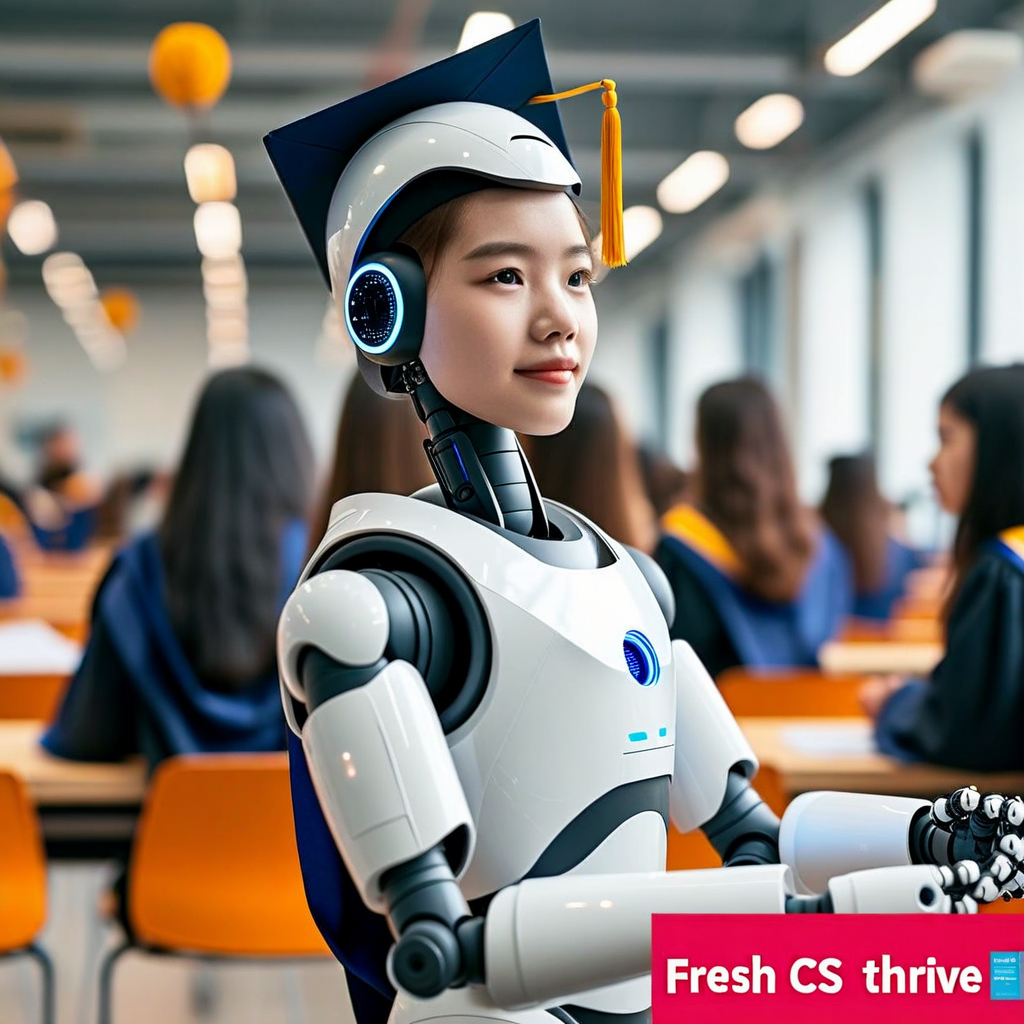
In a recent discussion in the AI community, many experts have highlighted how CS graduates need to adapt to the rapidly evolving AI landscape while maintaining strong fundamentals.
Fresh CS Major Graduates and the AI Revolution: How to Thrive
As you clutch your freshly minted computer science degree, a sobering reality awaits: the AI revolution isn't coming—it's already here, redefining the very landscape you've spent years preparing to enter. Traditional coding roles that once formed the bedrock of CS careers are increasingly being automated by sophisticated AI systems that can write functional code, debug applications, and even design system architectures with minimal human input.
But this technological upheaval represents opportunity as much as challenge. While McKinsey research indicates AI will impact 85% of tech jobs by 2030, the revolution is creating entirely new career paths that didn't exist when you began your studies. The unprecedented pace of this transformation means that your success won't be determined by what you've learned, but by how strategically you position yourself in relation to these intelligent systems.
This guide offers a roadmap for fresh CS graduates navigating this shifting terrain. We'll explore how to reposition your technical skills to complement rather than compete with AI, identify emerging specializations with long-term growth potential, develop an AI-resistant career strategy, and master the art of human-AI collaboration. The future belongs not to those who resist the AI revolution, but to those who strategically adapt to thrive alongside it.
Repositioning Your CS Skills in the Age of AI

Repositioning Your CS Skills in the Age of AI
1. Navigating the New Landscape for CS Graduates

As a fresh Computer Science graduate stepping into today's tech ecosystem, you're entering a professional landscape dramatically different from even five years ago. The AI revolution isn't just coming—it's already here, reshaping the very foundation of software development and technical careers. While this transformation might initially seem daunting, it actually presents unprecedented opportunities for those who strategically position themselves.
The traditional programming career path is evolving rapidly. According to McKinsey research, AI and automation technologies are expected to impact 85% of tech jobs by 2030. However, this doesn't spell doom—it signals transformation. The most successful CS graduates today aren't competing with AI; they're leveraging it while developing complementary expertise that machines cannot replicate.
Dr. Marcus Rodriguez from MIT describes this as "the most significant technological shift since the internet," requiring a fundamental recalibration of how we approach technical careers. Rather than viewing AI as competition, forward-thinking graduates are positioning themselves as skilled human collaborators with these intelligent systems.
This means developing a hybrid skill set that combines your foundational CS knowledge with specialized capabilities in areas like machine learning frameworks, AI ethics, and human-AI interaction design. The Bureau of Labor Statistics reinforces this direction, projecting that jobs in AI and machine learning will grow by 31% over the next decade—far outpacing average growth rates.
Your competitive advantage lies in understanding both the technical underpinnings of AI systems and the uniquely human capabilities that complement them: creative problem-solving, interdisciplinary communication, and ethical judgment. As the Computing Research Association notes, 76% of employers now list AI-related skills as "important" or "very important" when hiring CS graduates—a dramatic increase from just 35% in 2018.
The key to thriving isn't fighting against this revolution but strategically repositioning yourself within it. In the following sections, we'll explore exactly how to build this new professional identity.
Navigating Emerging Career Paths

The AI revolution isn't just transforming technology—it's completely reshaping career trajectories for computer science graduates. While traditional software development roles remain valuable, the landscape now offers diverse pathways that didn't exist even five years ago.
According to the Bureau of Labor Statistics, jobs in AI and machine learning are projected to grow by an impressive 31% over the next decade, significantly outpacing average growth rates across other sectors. This surge creates unprecedented opportunities for those entering the field with the right preparation.
For recent graduates, specialized roles represent particularly promising avenues. Machine learning engineering positions allow for direct application of algorithmic knowledge while developing expertise in training and deploying AI models. AI systems integration specialists bridge the gap between conventional systems and new AI capabilities—a critical function as organizations modernize their technology stacks. Meanwhile, the emerging field of AI ethics and governance offers paths for those interested in the societal implications of these technologies.
As Dr. Marcus Rodriguez from MIT notes, "We're witnessing the most significant technological shift since the internet." This transformation demands strategic career planning. Rather than competing directly with AI capabilities, successful graduates position themselves as skilled collaborators and orchestrators of these technologies.
The most valuable approach involves identifying intersection points between your computer science foundation and emerging needs. Cloud infrastructure expertise combined with machine learning knowledge creates a powerful skillset. Similarly, understanding both data structures and ethical implications of algorithmic decision-making prepares you for roles in responsible AI development.
Remember that career paths in this space rarely follow linear trajectories. The Computing Research Association reports that 76% of employers now list AI-related skills as "important" or "very important" when hiring CS graduates—up dramatically from just 35% in 2018. This rapid evolution means remaining flexible and continuously exploring emerging specializations will serve you better than rigid career planning.
Building an AI-Resistant Career Strategy
In today's rapidly evolving tech landscape, recent CS graduates need a deliberate approach to building careers that remain relevant alongside advancing AI technologies. Rather than competing directly with AI systems, the most sustainable path forward involves positioning yourself where human expertise and AI capabilities intersect.
Start by identifying which aspects of your technical foundation will have enduring value. While routine coding tasks become increasingly automated, skills like systems architecture, algorithm optimization, and complex problem decomposition continue to require human expertise. Build your technical portfolio around these durable capabilities rather than easily automated tasks.
Develop what industry leaders call "hybrid skills" – combinations of technical knowledge with distinctly human capabilities. For example, pairing machine learning expertise with stakeholder communication skills creates a powerful professional profile that AI alone cannot replicate. According to the Computing Research Association, professionals with these hybrid skill sets command 28% higher salaries than those with purely technical backgrounds.
Consider specializing in emerging fields that bridge human and AI domains. AI ethics governance, explainable AI development, and human-AI interaction design represent growing specialties where demand significantly outpaces qualified candidates. Dr. Marcus Rodriguez of MIT notes that "the most resilient careers will belong to those who can translate between AI systems and human needs."
Equally important is cultivating a continuous learning mindset. The half-life of technical skills has shortened dramatically – what's cutting-edge today may be automated tomorrow. Successful CS professionals now dedicate 8-10 hours weekly to ongoing education, whether through formal certifications, open-source contributions, or community involvement.
Finally, focus on building your professional network across disciplines. The most AI-resistant roles often involve collaboration between technical experts and domain specialists in fields like healthcare, finance, or creative industries. These interdisciplinary connections not only generate job opportunities but provide insights into how AI is transforming various sectors.
Conclusion
As we've explored throughout this post, the AI revolution isn't something to fear but rather an opportunity to embrace as a fresh Computer Science graduate. The landscape is evolving rapidly, but your technical foundation, combined with continuous learning and adaptability, positions you perfectly to thrive in this new era.
Remember that AI is a tool that augments human capabilities rather than replaces them. By developing complementary skills like critical thinking, domain expertise, and effective communication, you'll remain invaluable in the workforce. The most successful professionals will be those who can work alongside AI, leveraging its strengths while applying uniquely human perspectives to solve complex problems.
Now is the time to take action: Start experimenting with AI tools in your personal projects, seek mentorship from professionals already working in AI-adjacent fields, and consider specialized courses to deepen your understanding. Join communities and forums where AI developments are discussed, and don't shy away from roles that involve working with these technologies.
Your CS degree has given you the foundation—now build upon it with curiosity and confidence. The AI revolution isn't happening despite you; it's happening with you as a key participant and innovator.


Comments
Post a Comment